
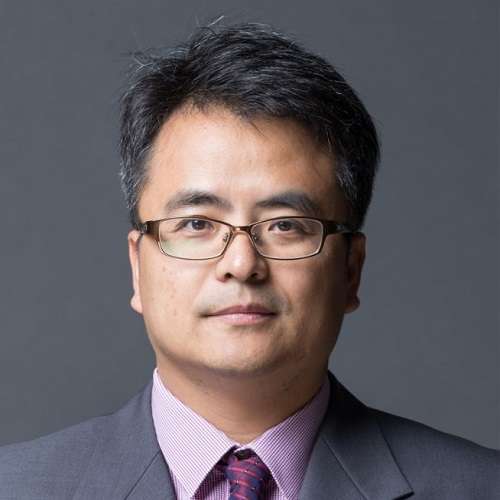
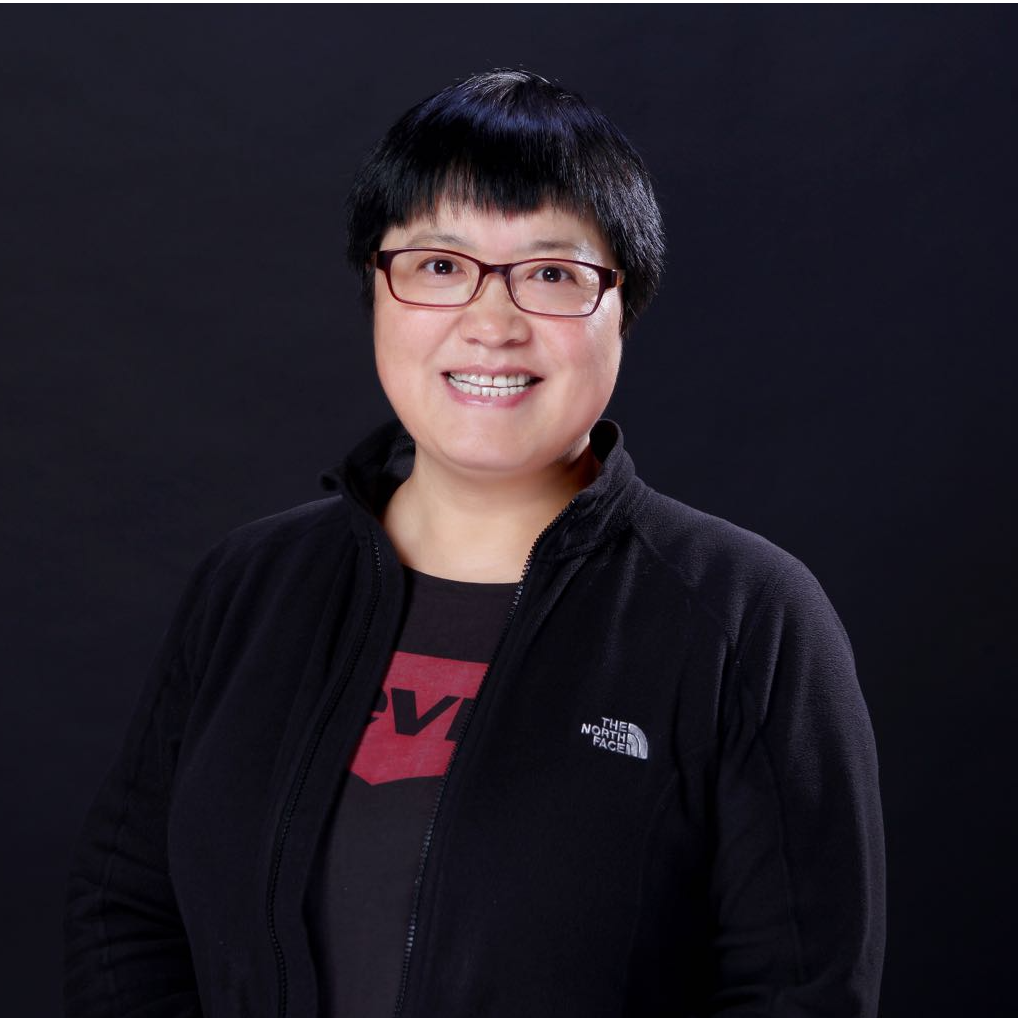
Xinquan Wang
Lab Information
School of Life Sciences, Tsinghua University
Research Area and Skills
Recognize this scientist’s Expertise for their contribution in your research
protein-protein 0 interactions 0 X-ray 0 structural and biochemical studies of protein complexes 0 virus-host interaction 0
- Post
- Publication
- Plasmid
- Following (0)
- Follower (1)

This guy hasn’t posted anything yet.
Hot Posts for You


Neutralizing antibodies (NAbs) are critical human immune defense mechanisms against viral infections. NAbs can bind to sites on the virus and inhibit entry of that virus into the host. It is a key parameter to evaluate COVID-19 vaccine efficacy per Guidelines from Development and ...Learn More
- Like (3)
- Reply (2)
-
Share


This 3D animation shows you how DNA is copied in a cell. It shows how both strands of the DNA helix are unzipped and copied to produce two identical DNA molecules. TranscriptDNA is a molecule made up of two strands twisted around each other in a double helix shape. Each strand is ...Learn More

IntroductionA gleam of light finally shone down on the global crisis of the prolonged battle against COVID-19, giving people hopes of preventive care and treatment in the near future by monoclonal antibodies against SARS-CoV-2. As stated the news of NIH’s phase III clinical ...Learn More

"Those who do not know history are obliged to repeat it" This famous phrase that could be from any history teacher to his suspended students has been attributed to great figures in history such as Napoleon or the philosopher George Santayana. In a modern version of it we could say ...Learn More
In recent years there is an increasing number of cytotoxic chemotherapeutic compounds with the ability to rapidly kill dividing cancer cells in preference to non-dividing healthy cells. Nevertheless, the major drawback of chemotherapy is that, in addition to damaging the cancer ...Learn More
The coronavirus pandemic caught everyone unprepared. We had to deal with the fear of an unknown virus which can be lethal for some people. And the whole world just stopped in an attempt to prevent the virus spread.Suddenly we had to adapt to a new way of living, socially isolated ...Learn More

This is the first episode of MolecularCloud Pioneer Scientist interview series. In this interview, MolecularCloud talks with Prof. Shuo Huang from Nanjing University about the recent publications of Dr. Huang’s team and the future prospect of biological nanopore technology. The ...Learn More
The increasing number of confirmed COVID-19 cases is prompting an unprecedented global effort to find a treatment for the disease. Given the fact that a new drug development could be a decade work from initial discovery to the marketplace, scientists are racing to search a cure ...Learn More

The previous article on precision medicine was focused on Pharmacogenomics as a fundamental aspect of cancer therapeutics. In this sequel, emphasis would be on the role of immuno-oncology in personalization of cancer therapy, citing anti PD therapy as an example with hypothetical ...Learn More
This guy hasn’t publications anything yet.
This guy hasn’t plasmids anything yet.
Hot plasmids
This guy has no following anyone.
Popular Cloud Scientists


About Us · User Accounts and Benefits · Privacy Policy · Management Center · FAQs
© 2026 MolecularCloud