What Is Monitoring Software? A Complete Guide to How It Works Across Industries

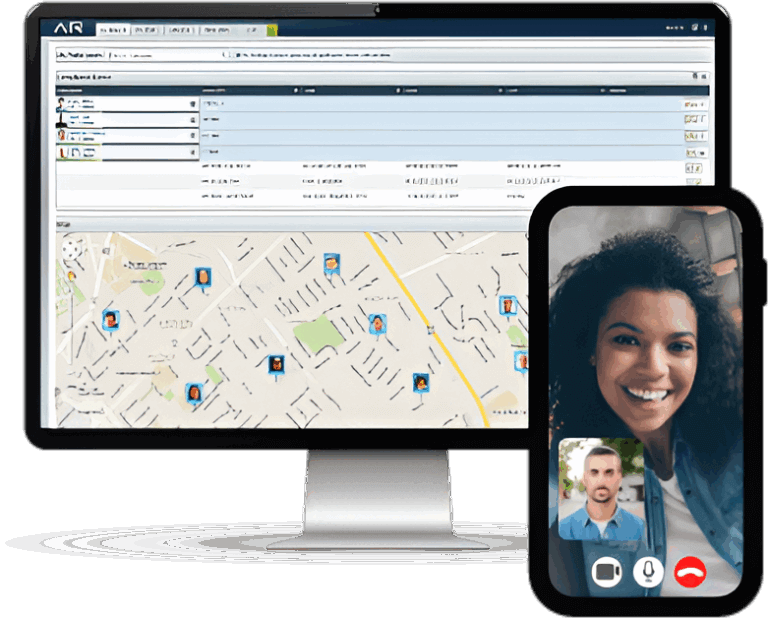
Organizations across both public and private sectors rely on monitoring software to improve visibility, track activities, maintain compliance, and support informed decision-making. Whether used in community supervision, healthcare, information technology, logistics, or workforce management, monitoring platforms help organizations collect, analyze, and act on critical data in real time.
As operations become increasingly digital, monitoring tools have evolved from simple tracking systems into comprehensive platforms that provide reporting, alerts, communication capabilities, and performance insights. Today, monitoring software plays an essential role in helping organizations manage risks, improve accountability, and streamline workflows.
What Is Monitoring Software?
Monitoring software is a digital solution designed to observe, track, record, and analyze activities, systems, assets, or individuals based on specific organizational requirements.
Depending on its purpose, monitoring software may collect information related to:
- System performance
- User activity
- Compliance requirements
- Operational workflows
- Device status
- Network health
- Location data
- Case management activities
The software then presents this information through dashboards, reports, notifications, and automated alerts, allowing organizations to identify issues and respond more effectively.
What Does Monitoring Software Do?
Monitoring software collects and analyzes data from systems, devices, processes, or individuals to provide real-time visibility and reporting. Organizations use it to improve compliance, track performance, automate reporting, and make informed operational decisions.
How Monitoring Software Works
While monitoring platforms vary across industries, most systems follow a similar process.
Data Collection
The software gathers information from connected devices, applications, databases, sensors, or user interactions.
For example:
- Community supervision programs may collect participant compliance data.
- IT teams may monitor server performance.
- Employers may track workforce productivity metrics.
- Logistics companies may monitor fleet locations.
Data Processing
The collected information is organized and analyzed to identify trends, exceptions, or potential issues.
This processing allows organizations to focus on meaningful insights rather than manually reviewing large volumes of raw data.
Real-Time Monitoring Dashboard
Most modern systems provide a real-time monitoring dashboard that displays current activity, alerts, performance metrics, and status updates.
These dashboards allow users to quickly identify problems and take corrective action when necessary.
Automated Reporting
Many organizations rely on automated reporting features to generate summaries, compliance reports, audit documentation, and performance analyses without manual effort.
This improves efficiency and reduces administrative workload.
Common Types of Monitoring Software
Monitoring software serves many different industries and operational needs.
Supervision Software
Government agencies, probation departments, and community supervision organizations often use supervision software to manage participant monitoring, compliance tracking, communication, and case oversight.
Platforms like Corrisoft AIR® help agencies improve accountability while supporting rehabilitation-focused supervision programs.
Compliance Tracking Platform
A compliance tracking platform helps organizations monitor adherence to policies, regulations, contracts, or court-ordered requirements.
These systems are commonly used in healthcare, finance, corrections, and public safety environments.
Case Management System
A case management system allows organizations to organize records, track interactions, manage workflows, and document activities related to individuals, clients, participants, or cases.
Case management software is especially valuable in community corrections, social services, legal services, and healthcare.
Network Monitoring Software
IT departments frequently use network monitoring software to monitor infrastructure, detect outages, identify security concerns, and optimize performance.
According to the National Institute of Standards and Technology cybersecurity monitoring guidance, continuous monitoring plays an important role in maintaining operational resilience and managing cybersecurity risks.
Employee Monitoring Tools
Organizations may also implement employee monitoring tools to track productivity metrics, system usage, attendance, or compliance with organizational policies.
These tools are often used alongside workforce management systems.
Benefits of Monitoring Software
The value of monitoring software extends across industries because it helps organizations make better decisions based on timely information.
Improved Visibility
Monitoring systems provide a clear view of activities, performance metrics, and operational status.
This visibility helps managers identify issues before they become larger problems.
Better Compliance Management
Many organizations use monitoring software to ensure policies, regulations, and operational requirements are consistently followed.
This is especially important in highly regulated industries.
Faster Response Times
Real-time alerts allow organizations to address concerns quickly, reducing risks and minimizing disruptions.
Reduced Administrative Burden
Automation eliminates many repetitive manual processes, saving time and improving efficiency.
Enhanced Accountability
Monitoring systems create reliable records that support transparency and accountability across operations.
Monitoring Software in Community Supervision
In criminal justice and community corrections, offender monitoring software helps agencies supervise participants more effectively while supporting public safety goals.
These platforms may include:
- GPS monitoring
- Participant communication tools
- Facial recognition check-ins
- Alcohol monitoring
- Compliance tracking
- Reporting capabilities
- Case management functions
Modern supervision platforms help agencies maintain oversight while reducing administrative workload.
SaaS Monitoring and Cloud-Based Solutions
Many organizations now use cloud-based or SaaS monitoring platforms rather than installing software on local servers.
Cloud-based systems offer advantages such as:
- Remote access
- Automatic updates
- Scalability
- Improved collaboration
- Lower infrastructure requirements
These benefits have made SaaS solutions increasingly popular across both public and private sectors.
The Rise of Remote Monitoring
The growth of distributed workforces and digital operations has increased demand for remote monitoring capabilities.
Organizations now need tools that allow them to monitor systems, participants, devices, and activities regardless of location.
Remote monitoring solutions help organizations maintain oversight while improving flexibility and operational efficiency.
Choosing the Right Monitoring Software
When evaluating monitoring software, organizations should consider:
Operational Goals
The software should align with specific business or program objectives.
Reporting Requirements
Strong reporting capabilities are essential for compliance, audits, and performance measurement.
Integration Capabilities
The platform should integrate with existing systems whenever possible.
Scalability
Organizations should select solutions capable of growing alongside operational needs.
Security
Data protection and privacy controls should be key considerations when evaluating software providers.
Conclusion
Monitoring software has become an essential tool across industries because it helps organizations improve visibility, strengthen compliance, automate reporting, and make more informed decisions. Whether supporting community supervision programs, managing IT infrastructure, tracking employee activity, or overseeing operational performance, monitoring platforms provide valuable insights that improve efficiency and accountability.
Organizations looking to modernize supervision, compliance management, and operational oversight can benefit from technology platforms designed to centralize monitoring and reporting processes. Learn more about how Corrisoft helps agencies and organizations improve supervision, compliance tracking, communication, and case management through innovative monitoring solutions.
CTA
To learn more about Corrisoft AIR® and modern monitoring technologies, contact Corrisoft at +1 800-247-1551 or sales@corrisoft.com. Request a free demo to explore how Corrisoft can help your organization improve visibility, accountability, and operational efficiency.
FAQs
What is monitoring software used for?
Monitoring software is used to track activities, systems, devices, or individuals while providing visibility, reporting, and compliance oversight.
What industries use monitoring software?
Industries including criminal justice, healthcare, finance, information technology, logistics, education, and workforce management use monitoring software.
What is a real-time monitoring dashboard?
A real-time monitoring dashboard provides live visibility into activities, performance metrics, alerts, and operational status.
How does automated reporting improve efficiency?
Automated reporting eliminates manual data collection and report creation, reducing administrative workload and improving accuracy.
What is SaaS monitoring?
SaaS monitoring refers to cloud-based monitoring platforms that provide remote access, scalability, and automatic updates without requiring local installation.
How does monitoring software support compliance?
Monitoring software helps organizations track activities, document requirements, generate reports, and
- Like
- Reply
-
Share




About Us · User Accounts and Benefits · Privacy Policy · Management Center · FAQs
© 2026 MolecularCloud