Understanding Lower GI Disorders and Their Treatment

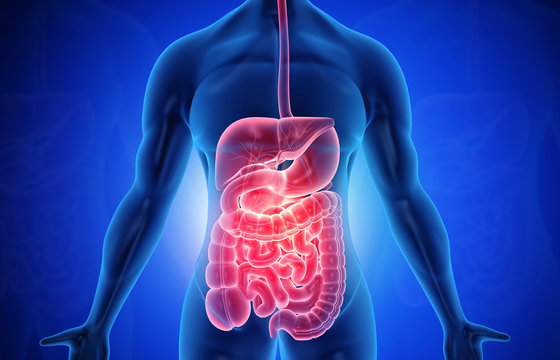
Lower gastrointestinal (GI) disorders affect the digestive tract from the small intestine through the colon, rectum, and anus. These conditions are common and can impact people of all ages, influencing digestion, comfort, and overall quality of life. Lower GI disorders include issues such as irritable bowel syndrome (IBS), inflammatory bowel disease (IBD), constipation, diarrhea, hemorrhoids, diverticular disease, and colorectal conditions. Effective treatment depends on the specific disorder, its severity, and the individual’s overall health, but most approaches focus on symptom relief, healing, and long-term management.
One of the most important steps in treating lower GI
disorders is accurate diagnosis. Symptoms like abdominal pain, bloating,
changes in bowel habits, or discomfort can overlap across many conditions.
Healthcare professionals may use medical history, physical exams, lab tests,
imaging, or endoscopic procedures to identify the cause. Proper diagnosis
ensures that treatment targets the root of the problem rather than just masking
symptoms.
Dietary management plays a central role in treating many lower GI disorders. For conditions such as IBS, constipation, or diarrhea, adjusting food intake can significantly improve symptoms. Increasing fiber through fruits, vegetables, and whole grains may help regulate bowel movements, although the type and amount of fiber should be tailored to the individual. Some people benefit from reducing trigger foods such as spicy items, fatty foods, caffeine, or artificial sweeteners. In certain cases, specialized plans like a low-FODMAP diet are recommended under professional guidance to reduce bloating and discomfort.
Hydration is another essential component of lower GI treatment. Drinking enough water supports digestion, helps prevent constipation, and promotes overall gut health. For individuals experiencing diarrhea, proper fluid intake is crucial to avoid dehydration and maintain electrolyte balance. Simple lifestyle habits, such as regular meal times and mindful eating, can also support smoother digestive function.
Medications are commonly used in the treatment of lower GI disorders, depending on the condition. For constipation, stool softeners or gentle laxatives may be prescribed for short-term use. Diarrhea may be managed with medications that slow bowel movement or address underlying causes. Inflammatory conditions like ulcerative colitis or Crohn’s disease often require anti-inflammatory or immune-modulating treatments to control flare-ups and maintain remission. These medications are carefully selected and monitored by healthcare professionals to ensure safety and effectiveness.
Probiotics and gut health supplements are increasingly used as part of lower GI disorder treatment. Probiotics help balance gut bacteria, which can improve digestion and reduce symptoms such as bloating or irregular bowel movements. While not suitable for every condition, they can be helpful for some individuals when used appropriately and under medical advice.
Lifestyle changes are also key in managing lower GI disorders. Regular physical activity supports healthy bowel function and reduces stress, which can worsen digestive symptoms. Stress management techniques such as relaxation exercises, adequate sleep, and time management can be especially helpful for functional GI disorders like IBS, where stress often triggers symptoms.
In more serious or advanced cases, procedural or surgical treatments may be required. Conditions such as severe inflammatory bowel disease, colorectal polyps, or complications like strictures may need medical procedures or surgery. These treatments aim to remove damaged tissue, relieve blockages, or prevent further complications. Such interventions are typically considered only when conservative treatments are not effective.
Patient education and long-term monitoring are essential parts of lower GI disorder treatment. Many GI conditions are chronic, meaning they require ongoing management rather than a one-time cure. Understanding symptoms, recognizing flare-up triggers, and following a personalized treatment plan help patients maintain better control over their condition. Regular follow-ups with healthcare providers ensure that treatments remain effective and are adjusted as needed.
In conclusion, treatment for lower GI disorders involves a combination of proper diagnosis, dietary and lifestyle adjustments, medication, and ongoing medical care. With the right approach, most individuals can manage symptoms effectively and maintain a good quality of life. Early attention, professional guidance, and consistent self-care are key to achieving long-term digestive health and comfort.
- Like
- Reply
-
Share




About Us · User Accounts and Benefits · Privacy Policy · Management Center · FAQs
© 2026 MolecularCloud