
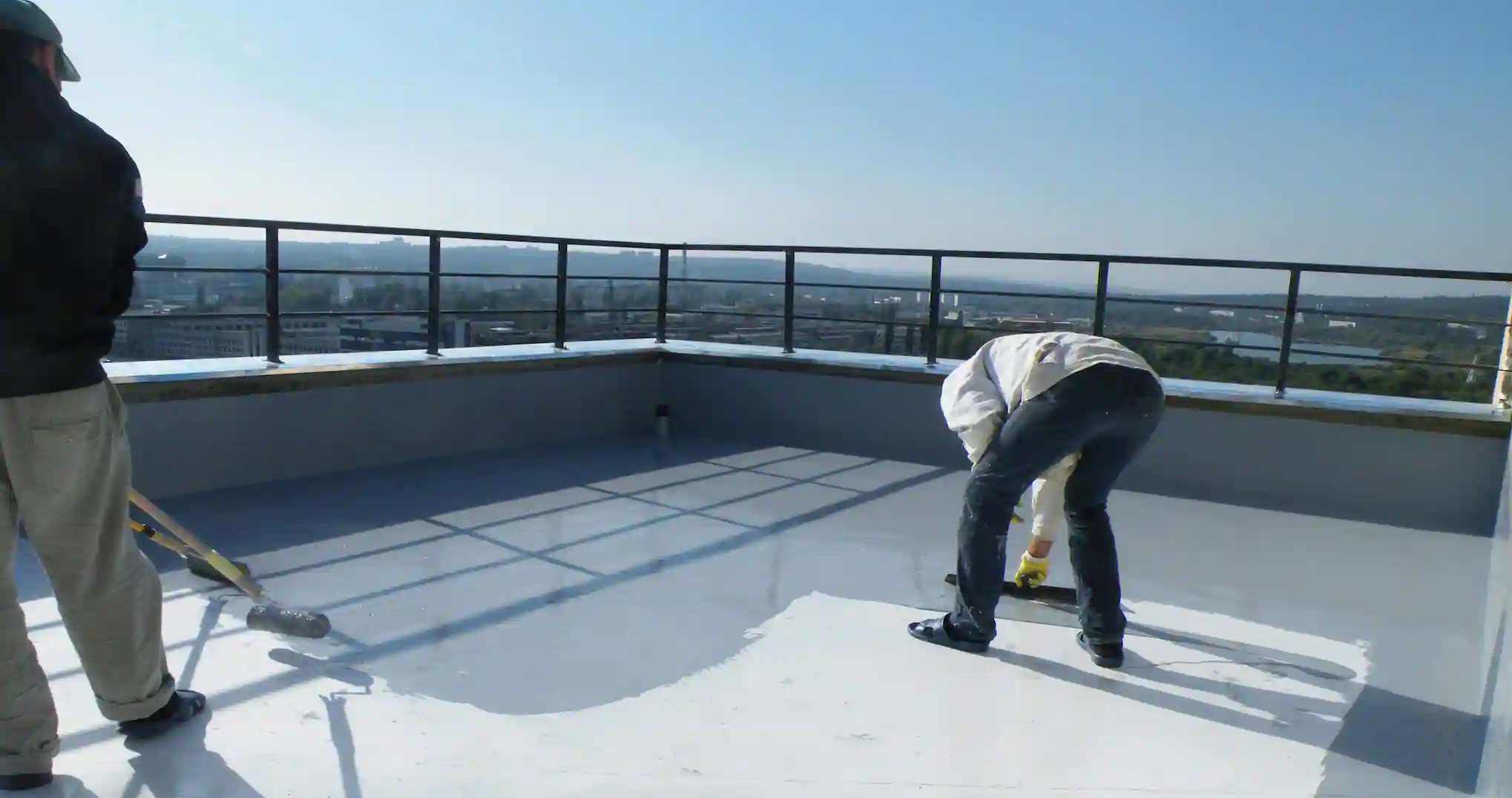
Homeowners in Bronx, NY, face unique challenges when it comes to maintaining their roofs. Heavy rain, snow, and fluctuating temperatures can lead to leaks, water damage, and costly repairs. Waterproofing is a key solution that protects roofing structures from these problems, extending their lifespan and improving overall home safety.
This is why homeowners rely on the professional waterproofing services of Benny’s Contracting to protect their roofs and properties. This guide explains the impact of waterproofing on roofs, the different methods available, and practical tips for Bronx homeowners to maintain a strong, reliable roof.
What Does Waterproofing Mean in Roofing?
In roofing, waterproofing refers to the process of making a roof resistant to water penetration. It involves applying materials or systems that prevent rain, snow, and moisture from entering the structure.
Unlike standard roofing, which primarily provides protection from weather and temperature, waterproofing specifically targets water damage. Common methods of making roofs waterproof include liquid coatings, membranes, and sealants, which create a barrier on the roof surface.
Properly waterproofed roofs helps prevent leaks, mold growth, and structural damage, ensuring the roof lasts longer and the home stays safe and dry.
There are several methods for waterproofing roofs, each with its own benefits, installation requirements, and suitability depending on the type of roof. Understanding these options can help Bronx homeowners choose the most effective solution for their homes.
1. Liquid-Applied Membranes
Liquid-applied membranes are coatings that are painted or sprayed directly onto the roof surface. Once dried, they form a seamless, flexible layer that prevents water penetration.
Roofing experts use liquid-applied membranes on flat or low-slope roofs because they can cover irregular shapes and seams easily.
Advantages include easy application, flexibility to expand and contract with temperature changes, and relatively quick installation. However, they may require regular inspections to ensure the coating remains intact over time.
2. Bituminous Coatings
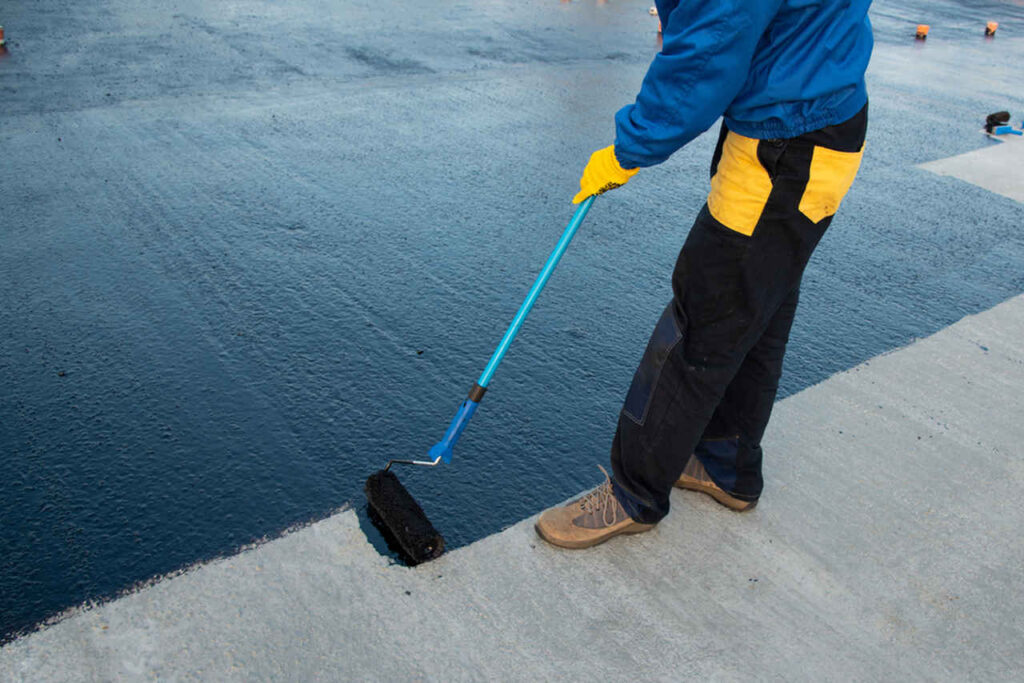
Bituminous coatings, often called “bitumen” or asphalt coatings, are thick, tar-like substances applied to roofs. They provide excellent waterproofing and are particularly durable under heavy rain and snow.
Bituminous layers can be self-adhesive or require heat for proper installation. These coatings are commonly used on flat or slightly sloped roofs and are effective at preventing leaks.
The main drawbacks are that installation can be labor-intensive, and they may need periodic reapplication depending on exposure to UV light and weather conditions.
3. Sheet Membranes (EPDM, TPO, PVC)
Sheet membranes are large sheets of waterproof material installed over the roof surface. Common types include:
- EPDM (Ethylene Propylene Diene Monomer): A rubber-based material, known for durability and flexibility.
- TPO (Thermoplastic Olefin): Lightweight, reflective, and energy-efficient.
- PVC (Polyvinyl Chloride): Highly resistant to fire, chemicals, and punctures.
Sheet membranes are usually welded or sealed at seams to create a continuous waterproof barrier. They are ideal for commercial or flat residential roofs and offer long-term protection but may require professional installation.
4. Roof Sealants
Roof sealants are applied to small areas or minor cracks and joints to prevent water infiltration. They are typically used as a maintenance solution rather than a full roof waterproofing method.
Sealants are easy to apply and cost-effective, making them suitable for quick repairs or protecting vulnerable areas, such as flashing, vents, or roof edges. However, they are not a replacement for a full waterproofing system.
The Impact of Waterproofing on Roofing:
Waterproofing a roof has several direct and long-term effects on its performance, durability, and the overall safety of a home. For Bronx homeowners, understanding these impacts can help in making informed decisions about maintenance and investment.
1. Extended Roof Lifespan
Water is one of the leading causes of roof deterioration. By preventing leaks and moisture penetration, waterproofing significantly extends the life of roofing materials. Whether it’s shingles, tiles, or flat membranes, protecting them from water damage reduces the need for premature replacements.
Over time, this can save homeowners thousands of dollars in repair and replacement costs.
2. Protection Against Structural Damage
Water infiltration can weaken the roof’s structure, causing wood rot, rusted metal components, and damage to insulation.
Waterproofing creates a barrier that keeps water out, maintaining the integrity of the roof and preventing serious structural problems that could compromise the safety of the home.
3. Prevention of Mold and Mildew
Moisture trapped in the roofing system or attic space can lead to mold and mildew growth, which affects indoor air quality and can pose health risks. Making your roof waterproof helps reduce the presence of water, keeping the home healthier and safer for residents.
4. Improved Energy Efficiency
Some materials used to waterproof roofs, like reflective membranes or coatings, also help regulate roof temperature. By reducing heat absorption in summer and protecting insulation in winter, waterproofing can contribute to lower energy bills and a more comfortable indoor environment.
5. Cost Savings on Repairs
Homes with waterproofed roofs typically experience fewer emergency repairs and damage-related expenses. Small leaks or water damage that go unnoticed can escalate into costly repairs. A waterproofing system acts as a preventive measure, offering long-term financial benefits for homeowners.
6. Increased Property Value
A well-maintained, waterproofed roof adds value to a home. Potential buyers often view roof condition as a critical factor in home quality. By investing in waterproofing, homeowners in the Bronx can enhance resale value and marketability.
Get Waterproofing Services in Bronx, NY, with Benny’s Contracting
If you are looking for reliable waterproofing services in Bronx, NY, Benny’s Contracting offers professional solutions designed to protect your home from water damage and extend the life of your roof. Our experienced team understands the unique challenges faced by Bronx homeowners and provides quality workmanship using trusted materials and proven techniques.
Whether you need preventive waterproofing or solutions to address existing moisture issues, Benny’s Contracting is committed to delivering dependable service and long-lasting results.
Frequently Asked Questions (FAQs):
How long does roof waterproofing usually last?
Roof waterproofing can last between 5 and 20 years, depending on the materials used and weather conditions. Regular maintenance and inspections can help extend its lifespan.
Is waterproofing necessary for all types of roofs?
Yes, it helps protect both flat and sloped roofs from water damage. It is especially important in areas that experience heavy rain or snow.
How do I know if my roof needs waterproofing?
Common signs include water stains, leaks, mold growth, or visible cracks on the roof surface. If your roof is older, it may also benefit from waterproofing as a preventive measure.
Can waterproofing help reduce energy costs?
Some materials used to waterproof roofs reflect heat and help maintain indoor temperature. This can reduce the strain on heating and cooling systems, lowering energy bills.
How long does waterproofing installation take?
Most projects can be completed within one to three days, depending on the roof size and condition. Larger or more complex roofs may take longer.
Is roof waterproofing expensive?
The cost varies based on materials, labor, and roof size. However, it often saves money in the long run by preventing major repairs and damage.
Do I need professional help for roof waterproofing?
Professional contractors have the tools, experience, and materials to waterproof roofs. Hiring experts helps ensure long-lasting and reliable protection.



