The Golden Standard: Decoding the Symbolism of the UFC Championship Belt
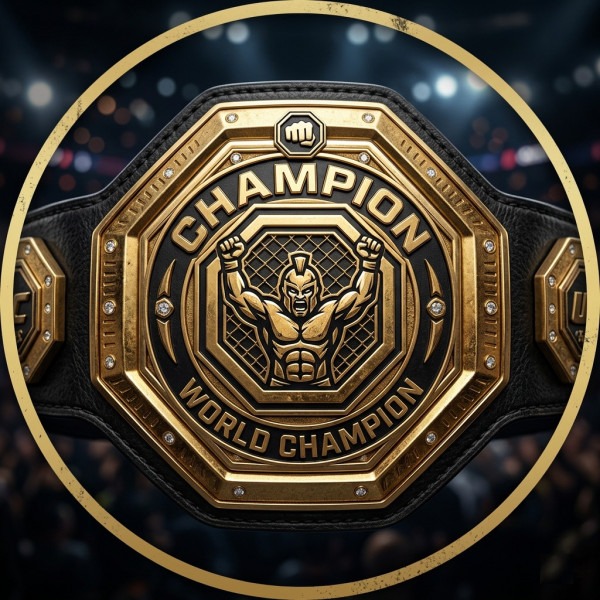
In the realm of professional combat sports, few items hold the same visceral and aspirational power as the UFC belt. To the casual viewer, it is a shiny centerpiece of championship celebrations. To the athlete, it is the physical manifestation of thousands of hours of sacrifice, tactical refinement, and pure competitive grit. As the Ultimate Fighting Championship has ascended to the pinnacle of global sports entertainment, the championship title has evolved from a simple trophy into a sophisticated, personalized cultural icon.
In this article, we explore the history, engineering, and profound significance of the modern UFC championship title, and why it remains the ultimate benchmark of excellence in the Octagon.
From Tournament Medal to Global Icon
The UFC did not begin with championship belts. At the inaugural event in 1993, the focus was on a grand, experimental premise: pitting martial arts disciplines against one another to identify the most effective combat system.
Over the next two decades, the "Classic" belt became synonymous with the sport's greatest legends—from Anderson Silva and Georges St-Pierre to Khabib Nurmagomedov.
The Legacy System: Personalizing the History of Dominance
The introduction of the Legacy belt transformed the championship from a static trophy into a dynamic record of a fighter’s career. Unlike the old system, where a new belt was awarded for every title defense, the Legacy system creates a singular, personalized asset for the champion.
Design Features and Customization
- Personalized Identity: Each belt is custom-crafted to include the champion's name, their specific weight class, and their national flag.
- Tracking Defenses: This is the most innovative aspect of the design. Eight stones border the side plates of the belt.
As a champion successfully defends their title, these stones are replaced with red rubies. - Historical Etching: Adjacent to each ruby, the UFC engraves the date and location of the title defense, creating a literal "map" of the champion's reign around their waist.
- Symbolic Stones: The center plate is framed by 25 stones, a nod to the 25 years of history leading up to the belt's 2019 release.
Engineering the Gold Standard
While the belt’s prestige is symbolic, its physical construction is a feat of precision engineering. The modern Legacy championship title is a substantial piece of equipment, weighing approximately 8 to 10 pounds.
The weight is intentional—it provides a tactile sense of significance. When a fighter is presented with the belt in the Octagon, the heft is a physical reminder of the weight they have carried to reach the top. It is designed to withstand the rigors of travel, media events, and celebrations, ensuring that the centerpiece of the UFC's brand remains pristine through the most intense phases of a champion's career.
The BMF Belt and the Power of Symbolic Titles
As the UFC's marketing strategy has evolved, the organization has proven it can leverage the "championship" concept to create massive cultural moments. The most notable example is the "BMF" (Baddest Motherf***er) title.
Unlike divisional belts, the BMF title is not tied to a specific weight class or ranking system.
The Value of the Belt: Why It’s Priceless
While one could estimate the cost of materials—gold plating, synthetic stones, and high-quality leather—the true value of a UFC belt is effectively "priceless."
For an athlete, capturing the title is a career-defining moment that changes their trajectory overnight. It unlocks access to pay-per-view points, high-level sponsorship deals, and global media attention.
Conclusion: The Ultimate Reward
The UFC championship belt is more than just a piece of metal and leather; it is the physical representation of the absolute peak of mixed martial arts. It is the destination toward which all paths in the sport lead, the reward for the most grueling training camps, and the ultimate validation of an athlete’s skill, intelligence, and spirit.
As the UFC continues to expand its reach and evolve its competitive structure, the prestige of the belt will only grow. It remains the one prize in combat sports that cannot be gifted or negotiated—it must be earned, defended, and fought for in the most competitive arena on earth. For the fighters who wear it, and the fans who cheer them on, the belt stands as the enduring, golden symbol of what it means to be the best in the world.
- Like
- Reply
-
Share




About Us · User Accounts and Benefits · Privacy Policy · Management Center · FAQs
© 2026 MolecularCloud