Solar Energy and Street Lighting Solutions for Modern Properties
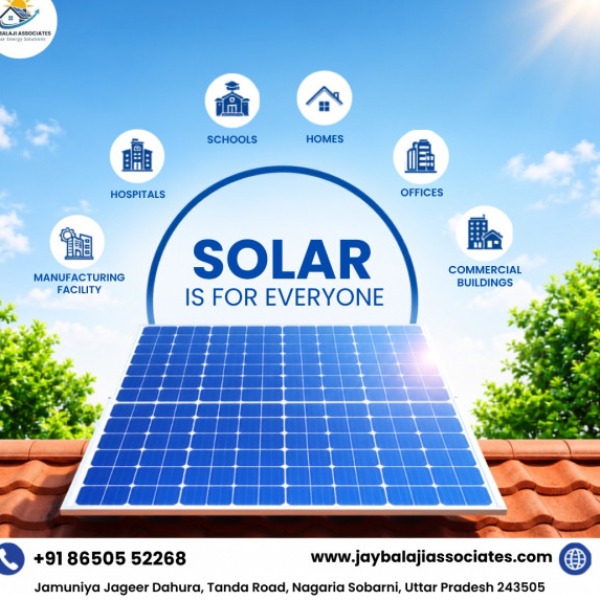

Solar energy is becoming an important option for homeowners, businesses, and organizations looking to explore renewable power solutions. From rooftop solar installations to solar-powered street lighting, the right equipment and careful planning can help meet different energy requirements. In Bareilly and surrounding areas, understanding system capacity, product specifications, and installation conditions is essential before choosing a suitable solar solution.
Understanding Rooftop Solar Installation in Bareilly
Choosing solar rooftop installation in Bareilly begins with evaluating electricity consumption, roof space, sunlight exposure, and the property's electrical requirements. A well-planned system should match the customer's energy needs while taking roof conditions and equipment compatibility into account.
Before proceeding, property owners should compare solar panel specifications, inverter capacity, mounting structures, wiring, and electrical protection equipment. Requesting a detailed quotation makes it easier to understand the equipment included, installation charges, warranty terms, and any additional requirements.
Roof suitability is another important consideration. Shading from nearby buildings or trees, roof orientation, and structural condition can influence solar system performance. Customers should clarify these factors with the installation provider before finalizing the design.
It is also useful to understand available system types, including grid-connected and off-grid arrangements. The right choice depends on the property's electricity requirements, local technical rules, and whether battery storage is needed.
Choosing a Reliable Solar Street Light Supplier
Solar street lighting can be useful for roads, residential communities, parking areas, pathways, campuses, and other outdoor locations where suitable lighting is required. When searching for a Solar Street Light Supplier, customers should evaluate the product specifications and site requirements rather than selecting a product on price alone.
Important features to compare include solar panel capacity, battery type, LED output, lighting duration, charging performance, pole height, and weather resistance. The required configuration will depend on the area to be illuminated, expected operating hours, local sunlight conditions, and installation location.
Customers should also ask about battery replacement, warranty coverage, mounting requirements, and maintenance procedures. For larger projects, a site assessment can help determine the number and placement of lights needed to provide appropriate coverage.
Comparing technical specifications and itemized quotations can support better purchasing decisions for residential, commercial, and institutional lighting projects.
Exploring Semi Integrated Solar Street Light Systems
A Semi Integrated Solar Street Light is a solar lighting configuration in which some components are combined while others remain separate, depending on the manufacturer's design. These systems may offer an alternative to fully integrated or more modular arrangements.
Before choosing this type of light, customers should confirm how the solar panel, battery, LED fixture, and controller are configured. Product designs can vary, so the term “semi integrated” should be checked against the actual technical datasheet instead of relying only on the product name.
Other important considerations include battery capacity, lighting performance, charging time, operating duration, installation method, and protection against dust and moisture. Customers should also confirm whether the product can meet the lighting requirements of the intended location throughout different seasons.
For public or commercial projects, reviewing product warranties, spare-part availability, and maintenance arrangements is particularly useful. A suitable product should be selected according to site conditions and the project's performance requirements.
How to Make an Informed Solar Investment
Whether installing rooftop panels or choosing outdoor solar lights, customers should compare products using clear and consistent criteria. Equipment quality, installation safety, warranty terms, maintenance needs, and total project cost all contribute to the overall decision.
It is important to avoid assuming that every solar system will deliver identical results. Energy generation and lighting duration can vary with sunlight availability, shading, weather, battery condition, equipment specifications, and installation quality.
Jay Balaji Associates can be included in customers' research when exploring solar-related products and solutions. Before making a purchase, customers should verify the company's specific offerings, technical details, quotation terms, and service arrangements.
Conclusion
Solar rooftop systems and solar street lights provide different ways to explore renewable energy for homes, businesses, and outdoor spaces. Whether considering solar rooftop installation in Bareilly, comparing a Solar Street Light Supplier, or researching a Semi Integrated Solar Street Light, customers should focus on product specifications, site suitability, installation requirements, and long-term maintenance. Careful evaluation can help identify a solution that meets practical needs and budget expectations.
1. What should I check before solar rooftop installation in Bareilly?
Review electricity consumption, roof suitability, shading, panel and inverter specifications, installation costs, warranty terms, and applicable local requirements.
2. How do I select a Solar Street Light Supplier?
Compare lighting output, panel and battery capacity, expected operating duration, weather resistance, warranties, and maintenance requirements.
3. What is a Semi Integrated Solar Street Light?
It is a solar street light configuration in which certain components are combined while others remain separate. The exact arrangement depends on the manufacturer's design and should be confirmed through the product datasheet.
4. Where can solar street lights be installed?
Depending on their specifications and the site conditions, they may be suitable for roads, pathways, parking areas, campuses, residential communities, and other outdoor spaces.
5. Do solar products require regular maintenance?
Yes. Maintenance may include cleaning panels, inspecting wiring and mounting structures, checking batteries, and confirming that lighting or generation performance remains appropriate. Follow the manufacturer's maintenance guidance.
- Like
- Reply
-
Share




About Us · User Accounts and Benefits · Privacy Policy · Management Center · FAQs
© 2026 MolecularCloud