Smart Mobile App Marketing Methods to Promote Application Globally

The mobile app ecosystem has expanded rapidly over the past decade, with millions of applications competing for user attention across Android and iOS platforms. While developing a functional and appealing mobile app is a significant achievement, creating an app alone is not enough. To achieve global success and attract a steady stream of users, app developers and entrepreneurs must adopt smart marketing strategies that maximize reach, engagement, and conversion rates.
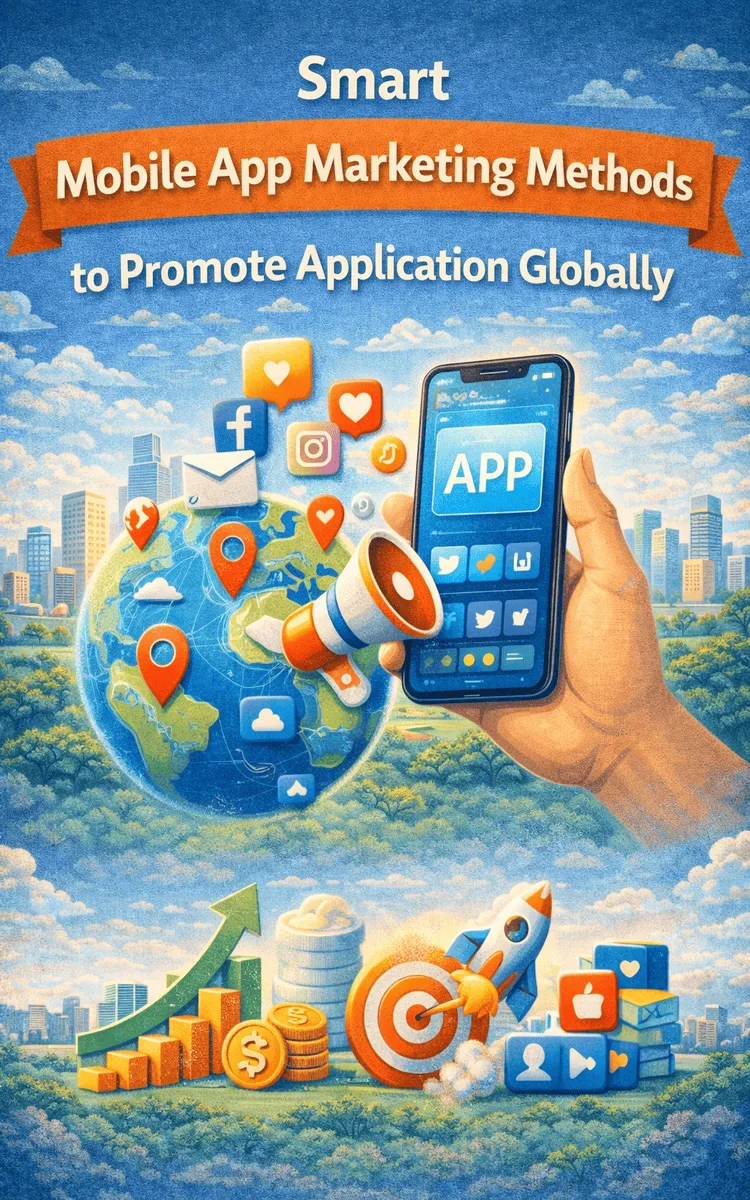
In this article, we explore effective mobile app marketing methods, strategies to boost user acquisition, and approaches to maintain engagement. By implementing these strategies, developers can position their applications for long-term success in a highly competitive digital landscape.
Understanding the Importance of App Marketing
Developing a mobile application requires substantial investment in terms of time, money, and resources. Without proper promotion, even the most innovative apps may struggle to gain visibility. Mobile app marketing ensures that the application reaches the right audience, drives downloads, and encourages user retention.
Effective marketing not only increases the number of downloads but also builds brand credibility, enhances user engagement, and maximizes monetization opportunities. To achieve these objectives, marketers must adopt a comprehensive strategy that combines organic and paid marketing techniques tailored to the target audience.
1. Optimize Your App Store Presence
App Store Optimization (ASO) is the foundation of effective mobile app marketing. ASO ensures that your app appears prominently in search results within app stores, increasing its discoverability among potential users. Key ASO techniques include:
Keyword Optimization: Include relevant and high-traffic keywords in the app title, subtitle, and description to improve search ranking.
Compelling App Title and Description: Use concise and persuasive language that clearly communicates your app’s value proposition.
High-Quality Screenshots and Videos: Visual content showcases your app’s features and encourages users to download.
Positive Reviews and Ratings: Encourage satisfied users to leave reviews, which enhances credibility and trust.
Frequent Updates: Regular updates improve app performance, security, and rankings in app store searches.
By focusing on ASO, developers ensure their apps are discoverable by users searching for relevant solutions.
2. Leverage Social Media Platforms
Social media is an essential tool for promoting apps globally. Platforms like Facebook, Instagram, Twitter, LinkedIn, and TikTok allow marketers to target users based on demographics, interests, and behaviors. Social media campaigns can create brand awareness, drive traffic, and boost downloads.
Effective social media strategies include:
Visual Content: Share engaging visuals and videos that demonstrate app features.
Influencer Collaborations: Partner with influencers who can reach your target audience and promote your app authentically.
Interactive Content: Conduct polls, quizzes, and contests to increase engagement.
Hashtags and Trends: Utilize trending hashtags to improve visibility.
Paid Ads: Use social media advertising to target specific user segments with tailored messages.
By integrating social media into your marketing plan, you can create global visibility and cultivate an active user community.
3. Content Marketing and Blogging
Content marketing is another effective approach to attract potential users. By creating valuable content around your app’s niche, you can drive traffic, educate users, and build authority in your industry. Content marketing can take multiple forms:
Blog posts highlighting app features and use cases
Tutorials and how-to guides for app functionality
Industry-related articles or case studies
Guest posts on relevant websites and platforms
Infographics, videos, and podcasts
High-quality content helps establish your app as a solution to real-world problems and encourages organic downloads. Additionally, content marketing enhances search engine visibility, complementing app store optimization efforts.
4. Influencer Marketing
Influencers have the power to sway purchasing decisions and app downloads. Collaborating with influencers who align with your app’s niche can generate awareness among a highly targeted audience. Influencer marketing can take several forms:
Sponsored posts or stories demonstrating app features
Unboxing or review videos on YouTube
Live demonstrations on Instagram or TikTok
Affiliate partnerships offering incentives to influencers for each download
When selecting influencers, prioritize authenticity, engagement rate, and alignment with your target audience to ensure maximum ROI.
5. Paid Advertising Campaigns
Paid advertising is a direct way to boost app downloads and generate traffic. Popular channels for paid campaigns include Google Ads, Facebook Ads, Instagram Ads, Twitter Ads, and programmatic advertising networks. Types of ads include:
Search Ads: Display ads when users search for related keywords.
Display Ads: Visual ads on websites or apps to increase visibility.
Video Ads: Engaging video content that demonstrates app features.
Retargeting Ads: Target users who previously interacted with your app or website.
Paid campaigns allow precise audience targeting, ensuring that marketing budgets are used efficiently to attract high-quality users.
6. Monitor and Analyze Performance
An effective mobile app marketing strategy relies on continuous monitoring and optimization. Tracking key performance indicators (KPIs) allows you to measure the success of your campaigns and adjust strategies as needed. Important KPIs include:
Number of downloads
User retention and engagement rates
In-app purchases or conversions
Cost per acquisition (CPA)
Return on investment (ROI) for marketing campaigns
Analytics tools such as Google Analytics, Firebase, and Mixpanel help you gain actionable insights to refine your marketing approach.
7. Referral and Loyalty Programs
Referral programs incentivize existing users to invite friends and family to download your app. This approach leverages word-of-mouth marketing and often produces high-quality leads. Key considerations include:
Offering rewards such as discounts, in-app currency, or premium features
Simplifying the referral process to encourage participation
Promoting referral programs within the app and on social media
Similarly, loyalty programs reward users for frequent app usage, encouraging retention and increasing lifetime value.
8. App Localization for Global Reach
Expanding globally requires more than just translating app content. Localization involves adapting your app to meet the cultural, linguistic, and regulatory requirements of target markets. Key steps include:
Translating app content and app store listings
Adapting images, colors, and messaging to resonate with local users
Supporting local payment methods and currencies
Complying with regional regulations and app store policies
Effective localization helps users feel a personal connection to your app, boosting downloads and engagement in international markets.
9. Engage Users with Push Notifications
Push notifications are powerful tools for retaining users and increasing engagement. Thoughtful notifications can inform users about promotions, app updates, or personalized recommendations. Best practices include:
Personalizing notifications based on user behavior
Timing notifications appropriately to avoid disruption
Avoiding excessive messaging that may lead to uninstalls
Using notifications to highlight new app features or content
Push notifications keep users connected and encourage repeat app usage.
6. Email Marketing
Email marketing is an effective way to communicate with potential and existing users. By segmenting your email lists, you can send personalized messages that encourage app downloads, engagement, and retention. Effective strategies include:
Welcome emails for new subscribers introducing app features
Promotional campaigns highlighting app updates or new functionalities
Re-engagement emails for inactive users with incentives or reminders
Newsletters with tips, tutorials, and industry insights
Email marketing is especially valuable for maintaining a connection with users and nurturing long-term engagement.
Understanding Mobile App Marketing
In the middle of any global promotion strategy, entrepreneurs must understand the nuances of mobile app marketing. Mobile app marketing encompasses all activities aimed at promoting an app, acquiring new users, and ensuring long-term engagement. It combines app store optimization, social media campaigns, paid advertising, influencer collaborations, and data-driven strategies to maximize visibility and revenue.
Focusing on mobile app marketing early in the development process ensures that your app reaches the right audience and gains traction quickly. Effective mobile app marketing not only drives downloads but also improves user retention, brand recognition, and overall app profitability.
11. Leverage App Review Websites and Media Coverage
Positive coverage on app review websites and tech blogs can significantly influence user decisions. Submit your app to reputable review platforms, seek media mentions, and collaborate with tech journalists to increase credibility. Tips include:
Preparing a press kit with screenshots, videos, and app descriptions
Reaching out to journalists or influencers with personalized pitches
Highlighting unique features or innovations that set your app apart
Media coverage can generate organic traffic and enhance your app’s reputation in the global market.
12. Incorporate Gamification and Engagement Features
Gamification encourages user interaction and increases engagement. By incorporating rewards, leaderboards, challenges, or achievements, apps can keep users motivated and encourage frequent usage. Gamification strategies are particularly effective in apps that rely on long-term engagement or repeat transactions.
Conclusion
Promoting an application globally requires a strategic combination of app store optimization, social media outreach, content marketing, influencer partnerships, paid advertising, and user engagement strategies. By implementing these smart marketing methods, app developers can maximize downloads, enhance brand credibility, and ensure sustainable growth.
Understanding the core principles of mobile app marketing and continuously optimizing campaigns is key to success in today’s competitive mobile app ecosystem. Entrepreneurs who adopt these strategies effectively will be well-positioned to achieve global recognition, drive long-term engagement, and build a profitable app business.
- Like
- Reply
-
Share




About Us · User Accounts and Benefits · Privacy Policy · Management Center · FAQs
© 2026 MolecularCloud