International Medical Insurance and Cross-border Healthcare: How Global Medical Resources Are Being Reconnected
In recent years, the global healthcare industry has been undergoing profound changes. With the rapid development of precision medicine, innovative drugs, cell therapy, and international healthcare service systems, more and more patients are breaking geographical barriers and seeking more advanced and suitable treatment options abroad.
At the same time, “international medical insurance” and “cross-border healthcare” are becoming increasingly integrated, gradually forming a new global healthcare ecosystem.
In the past, international patients mainly preferred countries such as the United States, Japan, Germany, and Singapore for high-end medical treatment. However, in recent years, due to rising healthcare costs and longer waiting times in Western countries, combined with the rapid advancement of medical technologies in Asia, global patient flows are beginning to shift.
Today, an increasing number of international patients are turning their attention to China.

Cross-border Healthcare Is Growing Rapidly
Cross-border healthcare, also known as medical travel or medical tourism, refers to patients traveling outside their home country to receive medical treatment.
In the past, cross-border healthcare was largely associated with health checkups, cosmetic procedures, and wellness services. Today, however, with the advancement of innovative medical technologies, cross-border healthcare has expanded into areas such as:
● Precision oncology treatment
● CAR-T cell therapy
● Immunotherapy
● Minimally invasive intervention
● Gene and cell therapy
● Long-term chronic disease management
Especially in the field of cancer treatment, more patients are actively seeking advanced and accessible medical resources worldwide.
Patients are no longer only asking “Where should I receive treatment?” Instead, they are increasingly concerned about:
● Whether innovative therapies are available
● Whether treatment is cost-effective
● Whether international insurance is accepted
● Whether waiting times can be shortened
● Whether international patient services are provided
Against this backdrop, China’s medical resources are receiving growing international attention.
Why Are More International Patients Paying Attention to China?
In recent years, China’s healthcare industry has developed rapidly in multiple areas, especially in:
● Precision oncology
● CAR-T cell therapy
● ADC innovative drugs
● Bispecific antibodies
● AI-assisted diagnosis and treatment
● Minimally invasive intervention
At the same time, China also offers significant cost advantages.
Compared with many Western countries, complex treatments in China often provide:
● Better cost-effectiveness
● Faster treatment accessibility
● Shorter waiting times
● More abundant clinical resources
Particularly in the field of innovative medicine, China has experienced remarkable growth in recent years.
As more domestically developed innovative drugs gain international recognition, China is gradually transforming from a “major pharmaceutical manufacturing country” into an “international medical service destination.”
This transformation is attracting increasing attention from patients in Southeast Asia, the Middle East, Russian-speaking regions, and Latin America.
International Medical Insurance Is Changing Patient Flows
In the past, overseas medical treatment often required high out-of-pocket expenses, limiting cross-border healthcare to a small number of high-income individuals.
Today, however, the development of international medical insurance is gradually lowering these barriers.
More and more international insurance providers now offer:
● Overseas treatment reimbursement
● Direct billing services at international hospitals
● Second medical opinions
● International specialist consultations
● Medical evacuation services
● Cross-border healthcare coordination
This means that international insurance companies are no longer simply paying medical bills — they are increasingly influencing global patient flows.
Hospitals that are able to enter international insurance networks are more likely to attract international patients.
As a result, more Chinese hospitals are building:
● International medical centers
● Multilingual service systems
● International patient departments
● International insurance settlement capabilities
At the same time, international patient services, innovative drug supply, and global medical information services surrounding cross-border healthcare are becoming new growth areas within the industry.
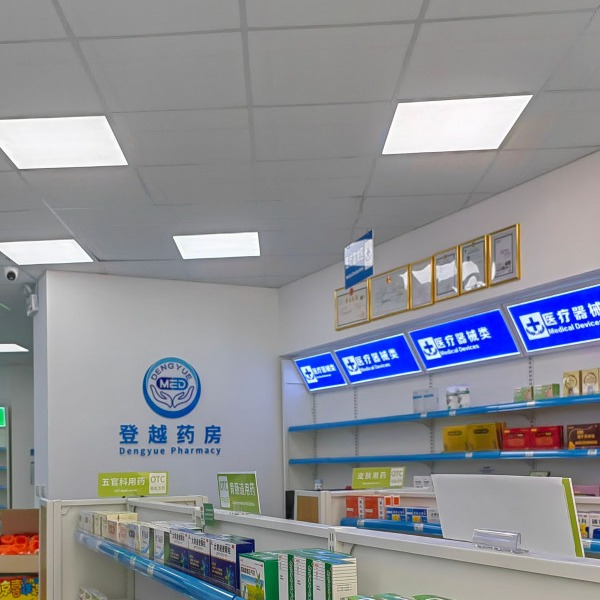
Chinese pharmaceutical service companies such as DengYueMed are also paying close attention to international patients’ demand for innovative medicines and global medical resources, while actively exploring more efficient and transparent international pharmaceutical supply and service models.
Multiple Chinese Cities Are Emerging as International Medical Hubs
Today, the development of international healthcare in China is no longer limited to a single region. Instead, multiple cities are gradually forming a diversified international medical network.
● Beijing
Beijing is home to numerous top-tier hospitals and national research institutions, with strong expertise in oncology, neurology, and complex surgeries.
● Shanghai
Shanghai has developed a relatively mature international healthcare system and foreign-invested medical resources, particularly in high-end healthcare and international patient services.
● Guangzhou and Shenzhen
The Guangdong-Hong Kong-Macao Greater Bay Area is accelerating the development of international medical services, international insurance payment systems, and cross-border internet healthcare.
● Hainan
The Boao Lecheng International Medical Tourism Pilot Zone in Hainan is becoming an important gateway for China’s medical opening-up.
Its “special access” policies allow certain internationally approved innovative drugs and advanced medical devices to enter the Chinese market more quickly, further increasing China’s attractiveness to international patients.
What Does the Future of Cross-border Healthcare Mean for China?
Over the next few years, the global cross-border healthcare industry is expected to grow even faster.
Particularly with the development of:
● CAR-T
● ADCs
● Cell therapy
● Gene therapy
● Bispecific antibodies
international patient demand for global medical resource mobility will continue to rise.
At the same time, digital cross-border healthcare is also developing rapidly.
Remote consultations, international MDTs (multidisciplinary teams), multilingual medical services, and cross-border electronic medical record integration are gradually transforming the patient experience.
In the future, competition in cross-border healthcare will no longer be based solely on medical technology. It will also depend on:
● International patient service capabilities
● International insurance systems
● Accessibility of innovative medicines
● Multilingual communication capabilities
● Global healthcare resource integration capabilities
Conclusion
International medical insurance and cross-border healthcare are redefining how global patients access medical resources.
As global demand for innovative treatments, cost-effective healthcare resources, and internationalized medical services continues to grow, China is gradually becoming an increasingly important participant in the global cross-border healthcare system.
From innovative medicines and precision medicine to international patient service systems, China’s cross-border healthcare industry has entered a new stage of development.
In the future, as international medical cooperation continues to deepen, China not only has the potential to become a major global center for pharmaceutical innovation, but also an increasingly important international medical destination in Asia and worldwide.
- Like
- Reply
-
Share




About Us · User Accounts and Benefits · Privacy Policy · Management Center · FAQs
© 2026 MolecularCloud