How Pharmaceutical Policies Are Reshaping the Global Pharmaceutical Market
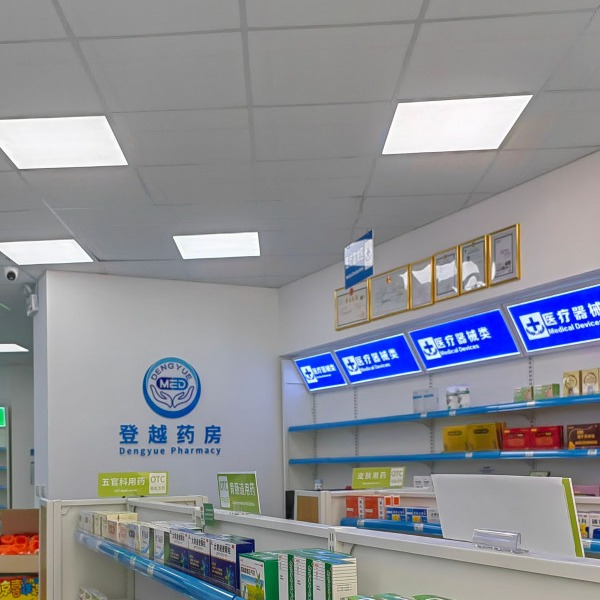
Insights from Hong Kong DengYue Medicine
Introduction
Against the backdrop of steadily growing global healthcare demand and accelerating population aging, the pharmaceutical industry is entering a new phase of structural transformation.
Today, pharmaceutical policy has become one of the most influential factors shaping the future of the global market. From drug approvals and pricing regulations to reimbursement systems and cross-border distribution, policy decisions now influence every stage of the pharmaceutical value chain.
For pharmaceutical companies, success increasingly depends not only on scientific innovation but also on the ability to navigate complex regulatory environments.

Policy-Driven Transformation: A New Era of Rule-Based Competition
Over the past several years, governments around the world have strengthened pharmaceutical regulation while seeking a balance between encouraging innovation and maintaining healthcare affordability.
Major pharmaceutical markets are implementing significant policy reforms:
-
United States
- Drug price negotiations under the Inflation Reduction Act (IRA)
- Increased pressure on pricing and reimbursement
-
European Union
- Expanded Health Technology Assessment (HTA)
- Greater emphasis on value-based healthcare
-
China
- National Reimbursement Drug List (NRDL) negotiations
- Volume-Based Procurement (VBP)
- Continued healthcare reform focused on accessibility
These reforms indicate that the pharmaceutical industry is transitioning from rapid expansion toward rule-based and policy-driven development.
Companies must now compete not only through R&D but also through regulatory strategy, market access expertise, and compliance management.
Innovative Drugs Face a New Balance Between Price and Value
The traditional commercial model of:
High pricing + Patent protection
is gradually evolving toward:
Clinical value + Cost-effectiveness + Real-world outcomes
Several important changes are driving this transition.
Greater emphasis on Real-World Evidence (RWE)
Healthcare payers increasingly expect long-term clinical outcomes beyond data generated during clinical trials.
Value-Based Pricing
Pricing discussions now focus on:
- Clinical benefit
- Cost-effectiveness
- Patient outcomes
- Healthcare system sustainability
Earlier Market Access Planning
Market access considerations are beginning much earlier during drug development.
Companies now integrate:
- Health economics
- Pricing strategy
- Reimbursement planning
- Regulatory pathways
into early-stage R&D.
The result is a more data-driven pharmaceutical industry where products with clear clinical differentiation are more likely to achieve long-term commercial success.
Supply Chain and Compliance Become Strategic Advantages
As regulatory oversight continues to increase, pharmaceutical supply chains have become a critical component of global competitiveness.
Cross-border pharmaceutical distribution now requires much more than logistics.
Key industry trends include:
- Increasingly stringent GMP compliance
- Stronger pharmaceutical quality management systems
- End-to-end product traceability
- Expanded cold-chain logistics
- Multi-country regulatory coordination
- Documentation transparency
For internationally distributed specialty medicines, supply chain compliance is becoming just as important as manufacturing quality.
Organizations capable of integrating global pharmaceutical resources while maintaining regulatory compliance are positioned to improve international drug accessibility and delivery efficiency.
Regional Policy Differences Continue to Shape Global Competition
The global pharmaceutical market is far from uniform.
Different regulatory environments create unique commercial opportunities and challenges.
| Region | Policy Characteristics | Market Impact |
|---|---|---|
| North America | Innovation incentives and market-driven pricing | Strong concentration of innovative therapies |
| Europe | HTA-based reimbursement and cost control | Higher pricing pressure |
| China | NRDL negotiations and centralized procurement | Faster differentiation between innovative and generic medicines |
| Emerging Markets | Rapidly evolving regulatory frameworks | Significant long-term growth potential |
Rather than applying a single global strategy, pharmaceutical companies increasingly require region-specific commercialization approaches.
Global Expansion Depends Increasingly on Regulatory Capability
International expansion is no longer driven solely by scientific innovation.
Success depends heavily on understanding local regulatory requirements throughout the product lifecycle, including:
- Clinical trial approvals
- Drug registration
- Pricing negotiations
- Reimbursement decisions
- Import and distribution regulations
Several trends are becoming increasingly common:
- Multi-regional clinical development
- Harmonized regulatory submissions
- Local manufacturing partnerships
- Diversified global supply chains
Companies that can effectively navigate different policy environments gain a significant competitive advantage during international commercialization.
Looking Ahead: Policy and Innovation Will Shape the Next Growth Cycle
The future pharmaceutical market will be driven by two powerful forces:
- Continued healthcare policy reform
- Ongoing scientific innovation
Emerging therapeutic technologies—including:
- Antibody-drug conjugates (ADCs)
- Bispecific antibodies
- Cell therapies
- Gene therapies
will continue to expand treatment possibilities.
Meanwhile, policymakers are expected to maintain focus on:
- Healthcare affordability
- Sustainable reimbursement
- Drug accessibility
- Quality oversight
Several long-term trends are becoming increasingly evident:
- More rational pricing of innovative medicines
- Compliance becoming a core organizational capability
- Continuous optimization of pharmaceutical supply chains
- Greater international regulatory collaboration
- Increased emphasis on evidence-based commercialization
Conclusion
Pharmaceutical policy has evolved into one of the defining forces shaping the global pharmaceutical industry.
From research and development to approval, pricing, reimbursement, manufacturing, and international distribution, regulatory frameworks now influence nearly every aspect of pharmaceutical commercialization.
As the industry continues to evolve, sustainable success will require more than scientific excellence.
Future market leaders will combine:
- Innovation
- Regulatory expertise
- Compliance
- Global supply chain capability
- Efficient market access strategies
into an integrated global operating model capable of adapting to rapidly changing healthcare environments.
About Hong Kong DengYue Medicine
Hong Kong DengYue Medicine is a specialized pharmaceutical supply partner focused on providing global access to innovative medicines, oncology therapies, orphan drugs, and specialty pharmaceuticals. Through compliant cross-border pharmaceutical solutions and integrated international supply chain services, the company supports healthcare institutions and pharmaceutical partners in improving access to high-quality medicines across global markets.
- Like
- Reply
-
Share




About Us · User Accounts and Benefits · Privacy Policy · Management Center · FAQs
© 2026 MolecularCloud