How a Ngorongoro Crater Safari Offers the Ultimate Wildlife Adventure

The Ngorongoro Crater stands as one of the most remarkable geographical features on the planet, offering a wildlife experience that is frequently described as a journey into a prehistoric world. Often referred to as the eighth wonder of the world, this massive volcanic caldera provides a natural sanctuary for over 25,000 large mammals, including the legendary Big Five. For travelers seeking a concentrated, high impact safari, the Ngorongoro Crater safari is unrivaled in its ability to deliver close encounters with lions, elephants, and the rare black rhinoceros within a single day. The crater is not merely a park; it is a self contained ecosystem where the walls of the caldera create a literal cradle of life. This guide explores the depths of this Tanzanian treasure, from its volcanic origins to the practicalities of planning a modern day expedition in 2026.
The Geological Marvel of the World’s Largest Intact Caldera
To understand the allure of a Ngorongoro Crater safari, one must first appreciate the staggering scale of the landscape. Approximately 2.5 million years ago, a massive volcano, which scientists believe was once as tall as Mount Kilimanjaro, erupted with such force that its cone collapsed inward. This cataclysmic event created a caldera, a technical term defined by Google as a large cauldron-like hollow that forms shortly after the emptying of a magma chamber in a volcano. Unlike many other calderas around the globe that have either filled with water to become lakes or suffered from broken rims due to erosion, Ngorongoro remains the largest unbroken and unflooded caldera on Earth.
The statistics of the crater are as imposing as its visual impact. The floor of the caldera sits approximately 610 meters below the rim, spanning an area of roughly 260 square kilometers. The diameter of the floor reaches up to 20 kilometers, creating a vast arena of short grass plains, fever tree forests, and alkaline lakes. This unique topography is a product of the East African Rift System, a tectonic boundary that continues to shape the geography of the continent. For the safari traveler, these steep walls serve as a dramatic backdrop for photography, but for the animals, they act as a natural enclosure that discourages migration, ensuring that wildlife viewing is exceptional throughout the year.
The diversity of habitats within such a confined space is a geological anomaly. Within a twenty minute drive, a safari vehicle can move from the humid, mist covered forests of the rim to the arid, salt encrusted shores of Lake Magadi. The western side of the crater is characterized by the Lerai Forest, a dense thicket of yellow barked acacia trees that provide shade for leopards and older "tusker" elephants. In contrast, the central plains are dominated by nutritious grasses that thrive on the mineral rich volcanic soil, supporting massive herds of wildebeest and zebra. This mosaic of environments ensures that every Ngorongoro Crater safari offers a shifting perspective of the African wilderness.
A Sanctuary for the Big Five and Beyond
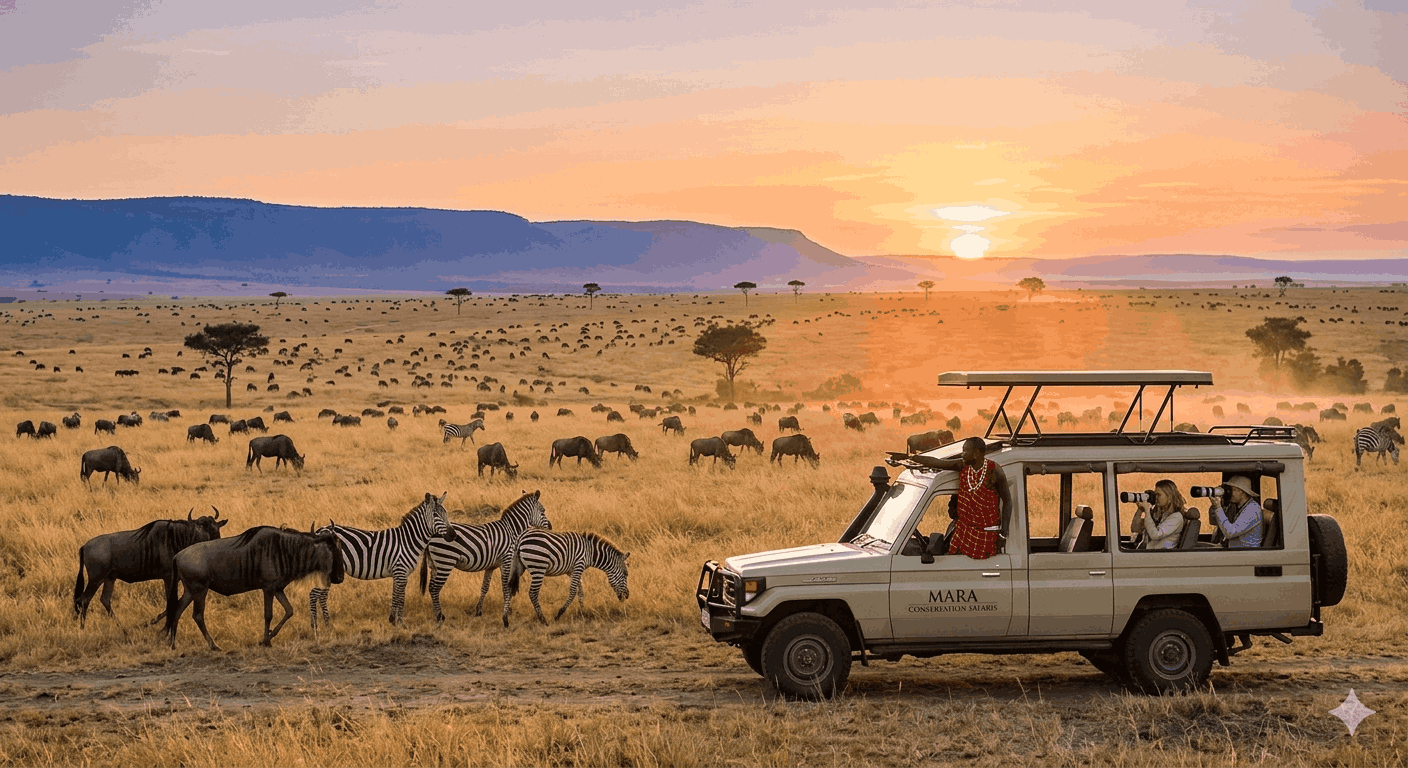
The primary draw for any visitor to the Ngorongoro Conservation Area is the sheer density of wildlife. Because the animals within the crater are largely resident, the concentration of predators and prey is among the highest in Africa. The crater floor is home to a stable population of lions, which are known for their particularly large manes and their relative indifference to safari vehicles. It is common to see a pride of lions lounging in the shade of a parked Land Cruiser or using the vehicle as cover while stalking a group of unsuspecting zebras.
One of the most significant highlights of a Ngorongoro Crater safari is the opportunity to see the endangered black rhinoceros. While poaching has decimated rhino populations across much of the continent, the crater provides a highly protected environment where these prehistoric looking creatures can still be found. Estimates suggest there are around 30 to 50 black rhinos living on the crater floor. Observing one of these solitary animals grazing near the Gorigor Swamp is a rare privilege that many travelers rank as the pinnacle of their Tanzanian journey.
In addition to the rhinos and lions, the crater supports healthy populations of Cape buffalo and leopards, though the latter are more elusive and typically remain in the forested areas of the rim or the Lerai Forest. While the African elephant is present, it is interesting to note that the population consists almost entirely of older bulls. Breeding herds of elephants with calves are rarely seen on the crater floor, as they prefer the more densely forested highlands outside the caldera. Curiously, giraffes and impalas are also absent from the crater floor, likely because the steep descent is difficult for giraffes and the open plains lack the specific acacia shrubs preferred by impalas.
The avian life in the crater is equally spectacular. Wikipedia notes that over 500 species of birds have been recorded within the conservation area. Lake Magadi, the shallow soda lake at the center of the crater, often hosts thousands of lesser flamingos, which paint the shoreline in shades of pink. Kori bustards, the heaviest flying birds in the world, can be seen strutting across the plains, while secretary birds hunt for snakes in the tall grass. For bird enthusiasts, the combination of water birds, raptors, and grassland specialists makes every game drive a multi layered experience.
Navigating the Safari Experience in 2026
Planning a Ngorongoro Crater safari in 2026 requires an understanding of current travel trends and conservation regulations. As global interest in sustainable tourism grows, the Ngorongoro Conservation Area Authority has implemented stricter controls to manage vehicle density and protect the delicate ecosystem. Professional travel analysts, such as those featured in Forbes, emphasize that high end travelers are increasingly looking for "low impact, high value" experiences that prioritize conservation over mass tourism. This means that booking with reputable operators who adhere to ethical viewing guidelines is more important than ever.
The logistics of a crater safari typically begin in the town of Arusha, the gateway to Tanzania’s northern circuit. From Arusha, it is a three to four hour drive through scenic highlands and past the colorful village of Karatu. Most visitors spend at least two nights in the area to allow for a full day on the crater floor. The descent into the crater is a thrill in itself, as 4x4 vehicles navigate steep, winding tracks that offer panoramic views of the landscape below. It is highly recommended to reach the descent gate at dawn, not only to witness the sunrise over the rim but also to be among the first to spot predators while they are still active before the heat of the midday sun.
Accommodation options around the crater range from ultra luxury lodges perched directly on the rim to more affordable tented camps located in the nearby highlands. Staying on the rim provides the most convenient access and unparalleled views, allowing guests to watch the mist roll over the caldera floor while sipping their morning coffee. However, the camps in the Karatu area offer a chance to engage with the local community and explore the surrounding coffee plantations, providing a well rounded cultural experience alongside the wildlife viewing.
Balancing Conservation and Culture
The Ngorongoro Conservation Area is unique because it is not a national park but a multiple land use area. This means that the wildlife shares the landscape with the indigenous Maasai people, who have lived in the region for centuries. A Ngorongoro Crater safari often includes a visit to a Maasai boma, where travelers can learn about the traditional semi nomadic lifestyle, vibrant beadwork, and the deep spiritual connection the Maasai have with their livestock and the land.
However, the coexistence of wildlife and humans is a complex issue. Recent reports from Google News indicate ongoing discussions regarding land rights and the relocation of communities to ensure the long term sustainability of the ecosystem. Travelers in 2026 are encouraged to be mindful of these dynamics and to support tourism initiatives that directly benefit the local population. Engaging with the Maasai through community led tours or purchasing authentic handicrafts helps ensure that the economic benefits of tourism reach those who have been the stewards of this land for generations.
Conservation efforts also extend to the management of the wildlife itself. The isolated nature of the crater’s lion population, for example, has led to concerns about inbreeding. Researchers closely monitor the health of the prides and occasionally look for ways to encourage genetic diversity through corridors connecting the crater to the Serengeti. By visiting the crater, tourists contribute to the funds necessary for these vital scientific studies and the anti poaching patrols that keep the black rhino population safe.
Conclusion and Your Next Adventure
A Ngorongoro Crater safari is more than just a box to tick on a travel bucket list; it is a profound encounter with the raw power of nature. From the moment you stand on the rim and look down into the vast, emerald green bowl of the caldera, you realize you are witnessing a landscape that has remained largely unchanged for millennia. The concentration of wildlife, the dramatic geological history, and the vibrant culture of the Maasai people combine to create an experience that is both educational and deeply moving.
As you plan your journey to Tanzania, remember that the best safaris are those approached with patience and respect for the environment. Whether you are capturing the perfect photograph of a lion pride at dawn or watching a rhino disappear into the mist of the Gorigor Swamp, the memories of the Ngorongoro Crater will stay with you long after you have returned home. Are you ready to witness the grandeur of the eighth wonder of the world for yourself? Contact a certified safari specialist today to begin crafting your personalized itinerary and secure your place in one of the most extraordinary landscapes on Earth.
- Like
- Reply
-
Share




About Us · User Accounts and Benefits · Privacy Policy · Management Center · FAQs
© 2026 MolecularCloud