Brand-Name vs Generic Temozolomide: What Are the Differences in Efficacy, Safety, and Cost?
Temozolomide is the standard oral chemotherapy used to treat glioblastoma (GBM) and certain other malignant gliomas. It is also a key component of first-line treatment recommended by international clinical guidelines.
Following the expiration of the original patent, an increasing number of regulatory-approved generic temozolomide products have entered the market, providing patients worldwide with more treatment options.
Among them, Temodal® is the original brand-name temozolomide, while Diqing® is one of China's representative generic temozolomide products and among the earliest to pass China's Generic Drug Quality and Efficacy Consistency Evaluation.
So, what are the differences between the brand-name and generic versions of temozolomide? Are they equally effective? Do they have the same safety profile? How significant is the cost difference?
In this article, Hong Kong DengYueMed examines these questions from the perspectives of regulatory requirements, clinical guidelines, and international pharmaceutical procurement.
Quick Comparison: Temodal® vs Diqing®
Comparison | Temodal® | Diqing® |
Drug Type | Brand-name (original) | Chinese generic |
Active Ingredient | Temozolomide | Temozolomide |
Dosage Form | Capsules | Capsules |
Indications | Glioblastoma, malignant glioma, and other approved indications | According to the approved prescribing information |
Bioequivalence | Reference product | Passed China's consistency evaluation and is required to demonstrate bioequivalence to the reference product |
Clinical Position | Standard treatment | Standard treatment |
Cost | Higher | Typically around one-third to one-half the cost of the brand-name product, depending on the country and procurement channel |
Overall, the primary differences between the two products lie in their development history, manufacturer, brand background, and procurement cost, rather than in the active pharmaceutical ingredient itself.
What Is Temodal®?
Temodal® is the original brand-name temozolomide developed by the innovator company. Its efficacy in newly diagnosed glioblastoma was established through international multicenter clinical trials.
The landmark Stupp trial, published in 2005, established the current standard treatment protocol of concurrent radiotherapy with temozolomide followed by adjuvant temozolomide chemotherapy. This regimen remains the global standard of care for glioblastoma today.
Current international guidelines, including those from NCCN, EANO, and ESMO, recommend temozolomide as a standard treatment option for eligible patients.

What Is Diqing®?
Diqing® is a generic temozolomide product manufactured by a Chinese pharmaceutical company. It is among the earliest temozolomide products in China to receive approval through the National Medical Products Administration (NMPA) Generic Drug Quality and Efficacy Consistency Evaluation.
As an approved generic medicine, Diqing® contains the same active ingredient, dosage form, and approved indications as the brand-name product. Before approval, it must undergo pharmaceutical development studies and demonstrate bioequivalence to the reference product to ensure comparable pharmacokinetic performance.
With the continuous development of China's pharmaceutical industry, Chinese-manufactured generic temozolomide products have gradually entered international markets and attracted increasing attention from hospitals, pharmacies, and pharmaceutical procurement organizations.

Is There Any Difference in Efficacy?
This is one of the most common questions from both patients and pharmaceutical buyers.
For regulatory-approved temozolomide products such as Temodal® and Diqing®, current evidence does not support using different standard treatment strategies solely because of the product's brand.
As a Chinese generic temozolomide, Diqing® completed the required pharmaceutical studies before approval and passed China's Generic Drug Quality and Efficacy Consistency Evaluation, demonstrating bioequivalence to the reference product, Temodal®.
This means that both products are required to meet regulatory standards for key pharmacokinetic parameters, including the rate and extent of drug absorption.
Current international guidelines, including those from NCCN, EANO, and ESMO, recommend temozolomide as the standard treatment for glioblastoma without differentiating between Temodal® and Diqing®.
Clinical outcomes are influenced primarily by factors such as:
● MGMT promoter methylation status
● IDH mutation status
● Extent of surgical resection
● Patient age
● Karnofsky Performance Status (KPS)
● Radiotherapy and comprehensive treatment strategy
Therefore, for products that meet regulatory approval requirements, physicians generally choose between the brand-name and generic versions based on the patient's clinical condition, drug availability, and local healthcare policies rather than the brand itself.
Do Temodal® and Diqing® Have the Same Safety Profile?
Based on the currently available prescribing information and clinical experience, Temodal® and Diqing® have generally comparable safety profiles because both contain the same active ingredient—temozolomide.
Common adverse reactions include:
● Nausea and vomiting
● Loss of appetite
● Fatigue
● Constipation
● Myelosuppression (including neutropenia and thrombocytopenia)
● Elevated liver function markers
● Increased risk of infection
These adverse effects are primarily associated with temozolomide itself rather than with a specific brand.
Different manufacturers may use different excipients or manufacturing processes, so individual patients may experience slight differences in tolerability. However, there is currently no high-quality evidence showing that regulatory-approved generic temozolomide products are less safe overall than the brand-name product.
During treatment, patients should undergo regular blood count and liver function monitoring and follow their physician's recommendations regarding dose adjustments.
Why Is Chinese Generic Temozolomide More Cost-Effective?
Compared with the brand-name product, Chinese generic temozolomide generally offers a significant cost advantage.
In many countries and regions, the procurement cost of approved generic temozolomide is typically around one-third to one-half that of the brand-name product, although actual prices vary depending on reimbursement policies, procurement channels, market competition, and local regulations.
A lower price does not imply lower quality. The cost advantage of generic medicines mainly results from:
● No need to repeat the full innovative drug development process
● Legal generic manufacturing after patent expiration
● Lower manufacturing costs through large-scale production
● Greater market competition, improving drug accessibility
For patients requiring multiple treatment cycles for glioblastoma, approved generic temozolomide can help reduce the overall financial burden of long-term therapy.
Why Are More International Buyers Choosing Chinese Generic Temozolomide?
In recent years, China's pharmaceutical industry has continued to improve its research, manufacturing, and quality management capabilities, enabling more high-quality generic medicines to enter international markets.
For hospitals, pharmacies, and pharmaceutical distributors, Chinese generic temozolomide offers several advantages:
● Continuously improving quality management systems
● Stable manufacturing capacity for long-term supply
● Competitive procurement costs that improve treatment accessibility
● Product documentation and export support that can be provided according to the regulatory requirements of different countries and regions (subject to local registration status)
For international buyers, selecting a supplier with appropriate regulatory qualifications, reliable supply capabilities, and international export experience is essential to ensuring product quality and supply continuity.
Conclusion
As the original brand-name temozolomide, Temodal® established the clinical evidence supporting the current standard treatment for glioblastoma. Diqing®, as a Chinese generic temozolomide product, has passed China's Generic Drug Quality and Efficacy Consistency Evaluation and provides a more cost-effective treatment option.
Both products contain the same active ingredient and serve the same therapeutic role. Clinical decisions should be made based on the patient's condition, physician recommendations, drug availability, and local healthcare policies rather than brand name alone.
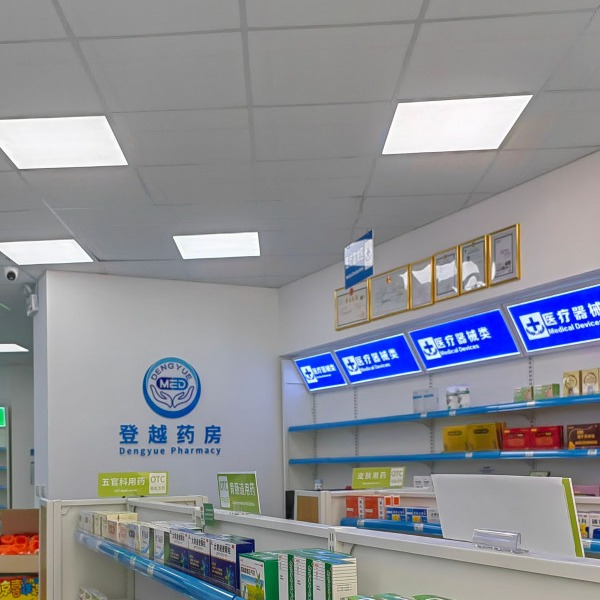
DengYueMed, a China-based pharmaceutical wholesaler, specializes in the global supply of innovative medicines, branded pharmaceuticals, and high-quality generic drugs. We support hospitals, pharmacies, and pharmaceutical distributors with international procurement and cross-border supply services for temozolomide products, including Temodal® and Diqing®, as well as a broad range of specialty medicines.

- Like
- Reply
-
Share




About Us · User Accounts and Benefits · Privacy Policy · Management Center · FAQs
© 2026 MolecularCloud